

Planning a school field trip in Los Angeles is an exciting opportunity for students—but behind every successful trip is careful coordination, especially when it comes to transportation. From navigating LA traffic to ensuring student safety, the transportation portion of your field trip requires detailed planning.
This School Field Trip Transportation Checklist for Los Angeles Educators is designed to help teachers, administrators, and trip coordinators organize safe, efficient, and stress-free student travel.
Use this guide as your step-by-step reference when preparing for your next school outing.
- Why Transportation Planning Is Critical for School Field Trips
- Step 1: Confirm Group Size & Supervision Requirements
- Step 2: Choose the Right Transportation Type
- Selecting the Correct Vehicle Size
- Step 3: Verify Safety & Compliance Standards
- Step 4: Plan Pickup & Drop-Off Logistics
- Step 5: Prepare Student Travel Guidelines
- Step 6: Organize Supplies & Luggage
- Step 7: Schedule Smartly Around Los Angeles Traffic
- Step 8: Budget & Payment Planning
- Step 9: Confirm All Details Before Trip Day
- Printable School Field Trip Transportation Checklist
- Why LA Bus Service Supports Safe School Field Trips
- Conclusion: A Safe Trip Starts with Smart Planning
Why Transportation Planning Is Critical for School Field Trips
Los Angeles presents unique transportation challenges:
- Heavy traffic congestion
- Busy loading zones at attractions
- Limited parking at popular destinations
- Large group coordination requirements
- Strict supervision standards
Without a structured transportation plan, even small issues can create delays or safety concerns. A checklist ensures that no critical detail is overlooked.
Step 1: Confirm Group Size & Supervision Requirements
Before booking transportation, gather key information.
Determine:
- Total number of students
- Total number of teachers
- Number of chaperones
- Student-to-adult supervision ratio
- Any special needs or accessibility requirements
Accurate headcounts help you choose the right vehicle size and maintain proper supervision throughout the trip.
Step 2: Choose the Right Transportation Type
Selecting safe, professional transportation is one of the most important decisions you’ll make.
Why Charter Buses Are Safer Than Vans or Carpools
Charter buses offer:
- Licensed, professional drivers
- Commercially insured vehicles
- Structured boarding procedures
- Centralized group travel
- Reduced liability compared to private vehicles
For school trips, charter transportation provides greater safety and accountability than carpools or rental vans.
Selecting the Correct Vehicle Size
Sprinter Vans (10–14 passengers)

Best for small academic groups or staff-only trips.
Mini Buses (24–28 passengers)
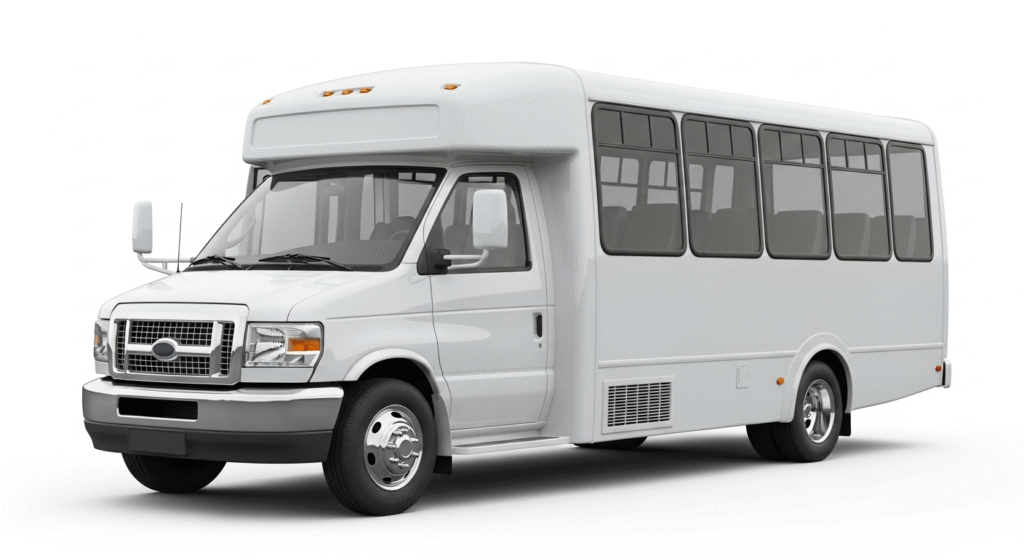
Ideal for single classes or mid-size groups.
Motor Coaches (Up to 56 passengers)

Perfect for large grade-level trips or combined classes.
Choosing the right vehicle ensures comfort, organization, and cost efficiency.
Step 3: Verify Safety & Compliance Standards
Los Angeles educators should always confirm the following:
- Valid commercial licensing
- Proof of insurance coverage
- Vehicle inspection records
- Driver background checks
- Driver training certifications
- Emergency communication procedures
A reputable transportation provider will willingly provide documentation and answer safety questions.
Step 4: Plan Pickup & Drop-Off Logistics
Smooth loading and unloading are essential for safety.
School Pickup Planning
- Designate a safe loading zone on campus
- Assign staff to supervise boarding
- Conduct headcounts before departure
- Communicate departure times clearly
Destination Drop-Off Planning
- Confirm drop-off zones at your destination
- Plan arrival time with buffer for traffic
- Ensure chaperones exit first to supervise students
Return Trip Organization
- Pre-set a meeting time and location
- Perform final headcounts
- Communicate estimated return time to parents
Clear logistics prevent confusion and keep students safe.
Step 5: Prepare Student Travel Guidelines
Before departure, review expectations with students.
Travel Rules to Cover:
- Remain seated during travel
- Follow teacher and driver instructions
- Keep aisles clear
- Respect bus property
- Stay with assigned groups
Assign chaperones to specific student groups for easier supervision.
Step 6: Organize Supplies & Luggage
Field trips often include backpacks, lunches, and supplies.
Best Practices:
- Require labeled backpacks
- Pack lunches in compact containers
- Assign a staff member to oversee supply loading
- Avoid unnecessary bulky items
Charter buses offer storage compartments, which help keep aisles clear and organized.
Step 7: Schedule Smartly Around Los Angeles Traffic
Traffic planning is critical in LA.
Avoid:
- Weekday rush hours (7–10 AM, 3–7 PM)
- Major event days near your destination
- Holiday weekend congestion
Recommended Strategy:
- Depart early in the morning
- Allow buffer time (15–30 minutes minimum)
- Build flexibility into your itinerary
Arriving early reduces stress and keeps your group calm.
Step 8: Budget & Payment Planning
Transportation is often one of the largest field trip expenses.
Consider:
- Cost per student
- Distance and duration
- Vehicle size
- Waiting time for return pickup
Charter buses often provide better value per student compared to smaller vehicles.
Booking early may also secure better rates and vehicle availability.
Step 9: Confirm All Details Before Trip Day
One week before departure:
- Reconfirm student headcount
- Verify pickup and return times
- Confirm driver contact information
- Share the final itinerary
- Review emergency procedures with staff
- Send reminders to parents
Final confirmation ensures no last-minute surprises.
Printable School Field Trip Transportation Checklist
Here’s a quick summary educators can save or print:
- Confirm student and staff headcount
- Select appropriate vehicle size
- Verify insurance and safety documentation
- Confirm pickup and drop-off zones
- Assign chaperones and supervision groups
- Review student behavior expectations
- Organize backpacks and lunches
- Plan for LA traffic conditions
- Finalize payment and booking details
- Confirm transportation 3–5 days before trip
Keeping this checklist handy makes planning significantly easier.
Why LA Bus Service Supports Safe School Field Trips
At LA Bus Service, we understand the responsibility educators carry when transporting students.
Schools choose us because we provide:
- Licensed, insured, and inspected vehicles
- Professional, background-checked drivers
- Experience navigating Los Angeles traffic
- Knowledge of popular school destinations
- Flexible scheduling for full-day trips
- Clean, well-maintained buses
We prioritize safety, communication, and reliability—so educators can focus on creating meaningful learning experiences.
Conclusion: A Safe Trip Starts with Smart Planning
A successful school field trip begins long before students board the bus. With a structured transportation checklist and a trusted charter partner, educators can ensure that students travel safely, comfortably, and on time.
By planning carefully, verifying safety standards, and organizing logistics, you create an environment where students can focus on learning and enjoying their experience.
Safe transportation isn’t just about moving students—it’s about peace of mind.
FAQs: School Field Trip Transportation in Los Angeles
What is the safest transportation option for school field trips?
Charter buses operated by licensed, insured providers are widely considered the safest group transportation option.
How far in advance should schools book transportation?
Booking 3–4 weeks in advance is recommended, especially during peak field trip seasons.
Can charter buses accommodate students with special needs?
Yes, many charter providers offer ADA-accessible vehicles. Always confirm accessibility needs in advance.
What documents should schools request from transportation companies?
Proof of insurance, licensing information, vehicle inspection records, and driver credentials.
Do charter buses provide round-trip service?
Yes. Round-trip and full-day charter services are available for school field trips.